Accreditation Consultant for Founders
Your Accreditation Consultant From License to Launch
Expert Education Consultants is the only accreditation consultant that handles every step — from state authorization to full accreditation — under one roof.
98%
Application
Success Rate
Success Rate
115+
Institutions
Launched
Launched
4–8mo
Avg. Time
to License
to License
50
U.S. States
Covered
Covered

Your Path to Launch
The Three Hurdles Every College or University Founder Must Navigate
Opening a college or university in the U.S. requires clearing three critical milestones. Most firms handle only one. Expert Education Consultants guides you through all three — and beyond.
1
📋 Business Formation
Choose the right entity structure (LLC, nonprofit, corporation), build a regulatory-ready business plan, and establish the financial and governance framework required by state agencies.
2
🏛️ State Authorization
Every state has different rules for authorizing postsecondary institutions. Our lead consultants are experts in each state's licensing process — from curriculum development to compliance documentation.
3
🎓 Accreditation
After state licensing, accreditation is required within 3–5 years. As your accreditation consultant, we help you select the right agency, prepare your self-study, and ace the site visit.
Compare Your Options
Expert Education Consultants vs. Other Accreditation Consultants
Most founders consider three paths when opening a college or university. Here's how they actually compare on scope, timeline, and outcomes.
What Sets Us Apart
Why Founders Choose Expert Education Consultants
Other firms offer pieces of the puzzle. As your full-service accreditation consultant, we deliver the entire picture — from founding day to first graduating class.
🔄
Full-Service, One Contract
Business formation, state authorization for colleges, curriculum development, faculty recruitment, LMS setup, marketing, and accreditation — one team, one contract, no gaps between vendors.
🤝
Hands-On Partnership
We don't hand you templates. Our accreditation consultants work alongside your team — writing applications, attending meetings, solving problems in real time.
👥
Dedicated Expert Teams
Every project gets a lead consultant who knows your state's regulations, backed by 35+ specialists across academics, compliance, technology, and marketing.
🏠
Long-Term Ownership
Launching is just the beginning. We stay with you to set policies, develop handbooks, hire leadership, and build the operational infrastructure your institution needs to thrive.
Client Results
What Our Clients Say
★★★★★

Juan Salinas
Chief Executive Officer, Jala University
🚀 University launched in 4 months

★★★★★

Professor Balvir Tomar
Founder & President, Florida Tech University
🚀 University launched in 8 months

★★★★★
-min%20(1)%20(1).webp)
Raghwa Gopal
Past President, Florida Coastal University
🚀 CIE provisional license in 11 months
★★★★★
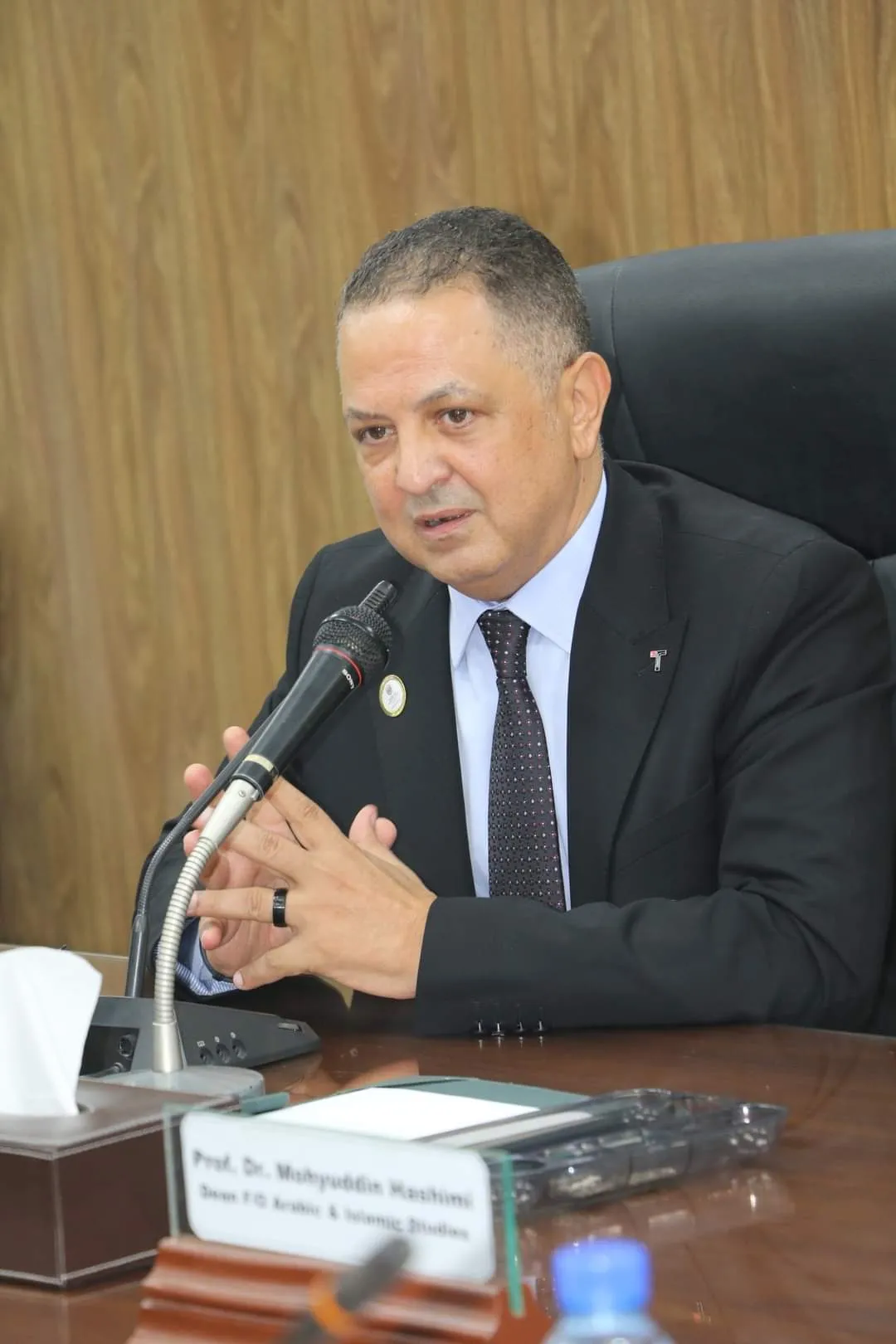
Dr. Ehab El Shamy
Vice Chancellor, AITU University
🚀 University launched in 6 months

★★★★★
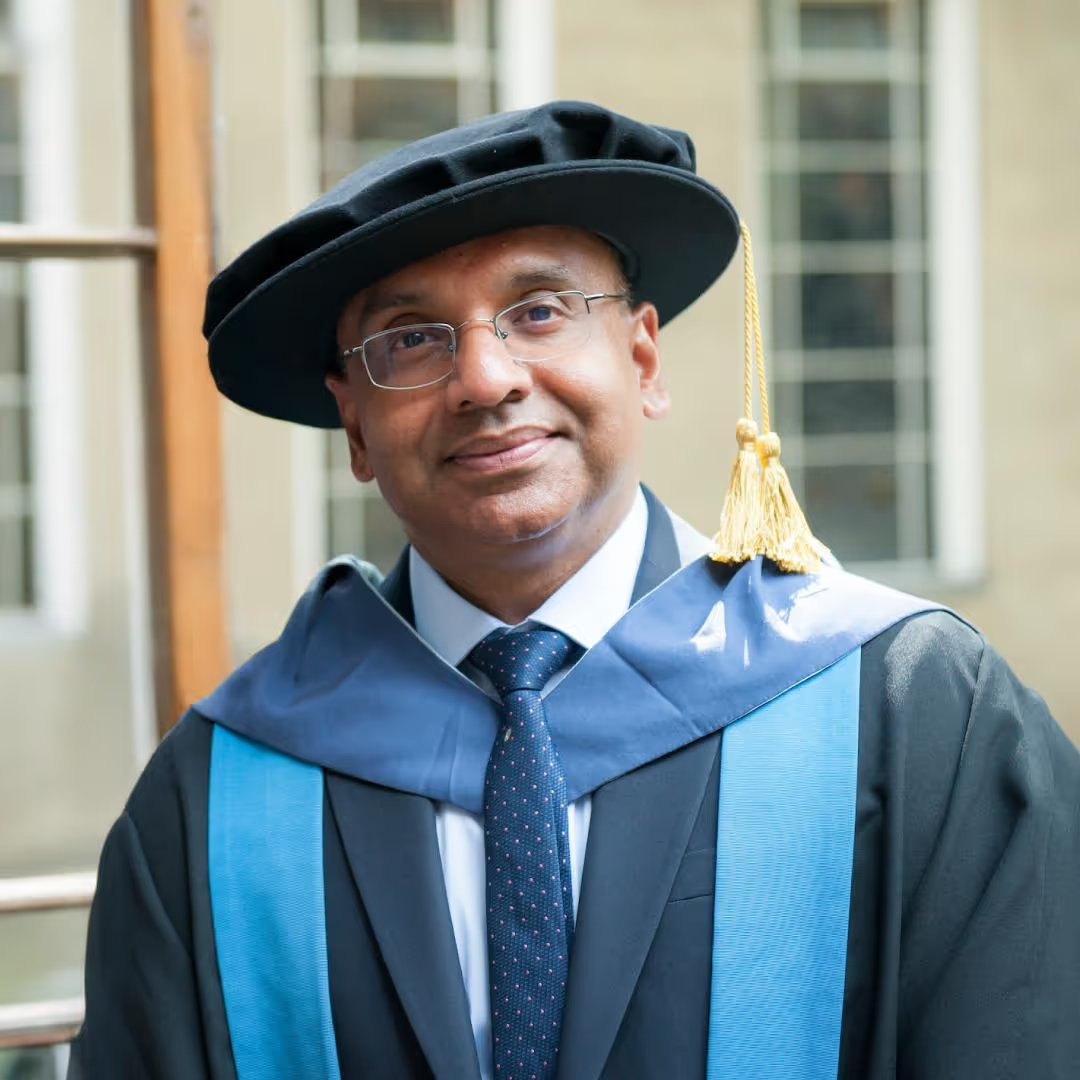
Prof Dr Selva Pankaj
Founder and President – Regent American University
🚀 University launch in 8 months
Common Questions
Frequently Asked Questions
What does an accreditation consultant do?
How long does it take to open a college?
How much does it cost to open a college or university?
Can I open a college in the US as a foreigner?
What is the difference between licensing and accreditation?
What is the difference between national and regional accreditation?
How do I prepare for an accreditation site visit?
What if we already have a state license and just need accreditation help?
How is Expert Education Consultants different from hiring a lawyer or doing it myself?